
Basement Floor Coatings
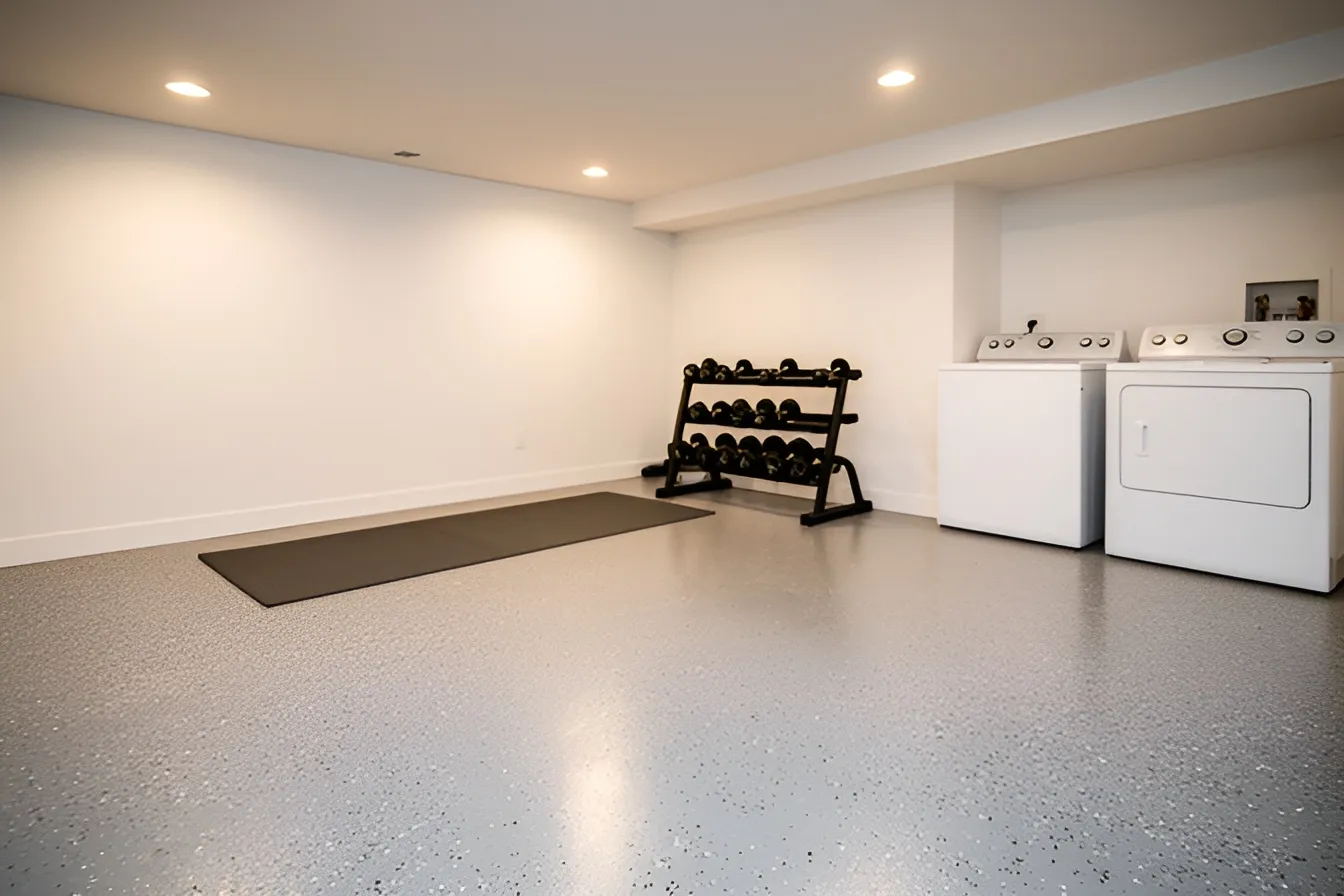
We install polyaspartic basement floor coatings directly over existing concrete. The result is a sealed, durable floor that's easier to clean and holds up far better over time than paint or basic sealers.
Get Your Free Quote
Three quick steps. A certified local installer will contact you to schedule your free, no-obligation estimate.
Basement Floors
Why Homeowners Choose Basement Floor Coatings
Basements see a different kind of wear than garage or exterior floors. Storage, laundry equipment, foot traffic, and damp conditions all take a toll over time. A professionally installed coating solves common basement problems without covering or replacing the existing slab.
- Seals concrete to reduce dust and staining
- Protects against moisture, chemicals, and everyday wear
- Lasts much longer than paint or basic sealers
- Creates a smoother, brighter, cleaner surface
- Improves durability without changing floor height
Concrete Floor Coatings vs. Paint and Other Options
Paint is often the first thing homeowners try on a basement floor. It's thin, easy to roll on, and looks good at first. The problem is that paint doesn't bond well to concrete, especially in damp spaces. It peels, wears through, and traps moisture underneath.
Bonds Into the Slab
Our coatings bond directly into mechanically prepared concrete instead of sitting on top like paint, creating a layer that resists stains, scratches, and moisture.
Built for Damp Spaces
Moisture-tolerant primers and polyaspartic coatings handle the humidity common in basements far better than paint or thin sealers.
Less Dust, Easier Cleaning
Sealed concrete stops dusting, resists household spills and chemicals, and cleans with a simple mop.
No Constant Touch-Ups
Instead of repainting every few years, you get a long-lasting finish that simply holds up.
Our Process
How We Install Basement Floor Coatings
- 1
Evaluating the Area
We start with the existing surface, because cracks, stains, moisture, and wear all matter. We also factor in how the basement is used. That tells us which coating system makes sense and how much prep is needed.
- 2
Surface Preparation
Proper preparation determines whether a coating lasts or fails. We remove grease, sealers, and loose material, then grind the surface so the coating bonds into the concrete. Cracks and damaged areas are repaired and edges are detailed.
- 3
Coating Application
We apply the primer and polyaspartic material at the proper thickness, in one or two coats depending on the system, for complete, even coverage across the concrete.
- 4
Finishing the Floor
For basements that get wet, we add texture to reduce slipperiness. After curing, you get a smooth, sealed surface that's durable and easy to maintain.
Long-term protection without the hassle
A coated basement floor is easier to clean, resists stains from household chemicals and spills, and doesn’t collect dust the way bare concrete does. Other options, like plastic coverings, thin sealers, or DIY products, hide the concrete for a while but don’t provide the same protection or durability. Instead of constant touch-ups or repainting, homeowners get a long-lasting finish that holds up.
Designed for Real Basement Use
Basement coatings hold up to the everyday demands of a busy house. They're used in:
- Storage rooms
- Laundry areas
- Home gyms and play areas
- Utility and mechanical rooms
- Access areas near exterior doors or stairs
Frequently Asked Questions
What is the best coating for basement floors?
Polyaspartic systems are usually the best choice because they bond into properly prepared concrete, tolerate high humidity, and create a durable, sealed surface. The right system depends on the space, temperatures in the basement, any moisture issues, and the level of wear you expect.
How much does it cost to coat a basement floor?
Cost depends on square footage, the existing floor condition, and how much prep and repair the installation requires. Coatings are cost-effective because they protect the existing slab instead of just covering it. The best way to get accurate pricing is a free on-site evaluation. See our cost guide for typical ranges.
What is the best finish for a basement?
Most homeowners choose a smooth or lightly textured finish. A smooth, glossy look is easy to clean, while added texture reduces slipperiness near laundry equipment, sinks, or doors.
Are basement coatings slippery?
Not if you don't want them to be. We can add texture during installation in areas that get wet, which improves traction. This is especially helpful near laundry equipment, utility sinks, or anywhere condensation is present.
Can you coat a basement that gets damp?
Often, yes. We evaluate moisture during the estimate. Many damp basements can be coated with a moisture-tolerant primer system, but active leaks or standing water need to be fixed first.
Basement Floor Coatings Near You
Our certified installation partners serve homeowners and businesses across the Northeast and Mid-Atlantic.
- Pennsylvania
- New Jersey
- New York
- Delaware
- Maryland
- Washington, DC
- Northern Virginia
- Connecticut
- Rhode Island
Other Services
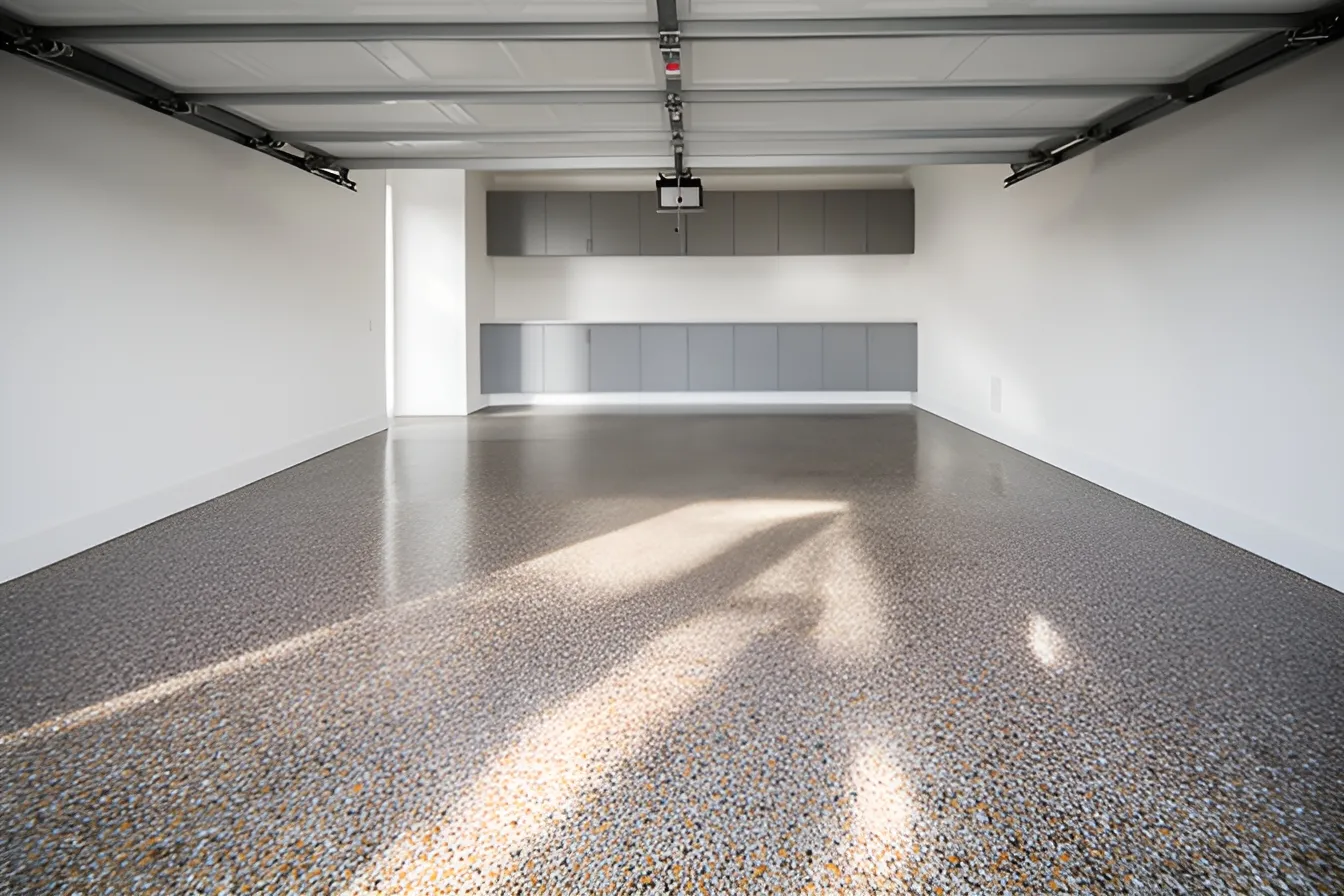
Garage Floor Coatings
Ultra-durable polyaspartic flake floors built for vehicle traffic, road salt, and hot tires.
Learn more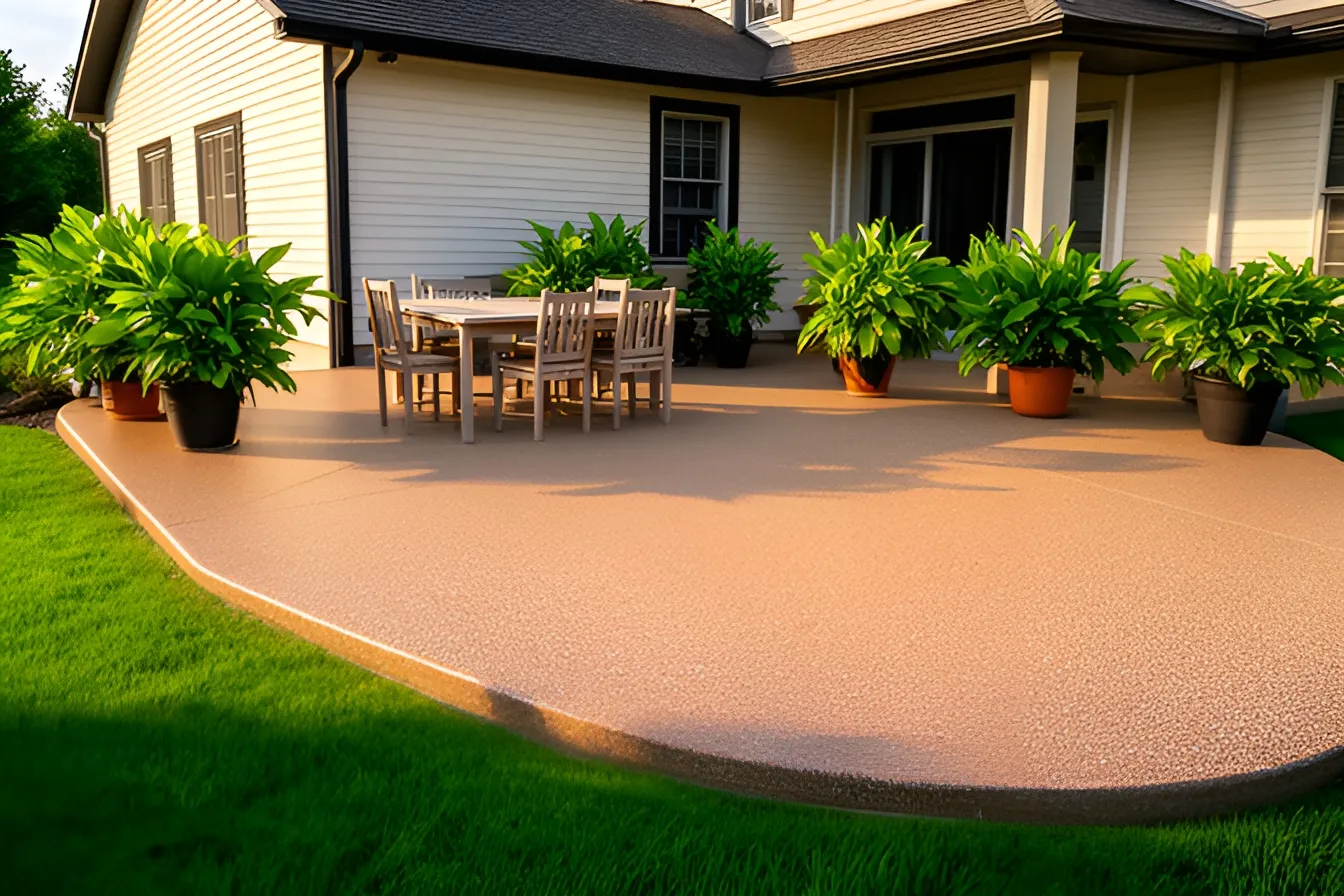
Concrete Patio Coatings
UV-stable, slip-resistant coatings for patios, pool decks, porches, and walkways that won't fade or peel.
Learn more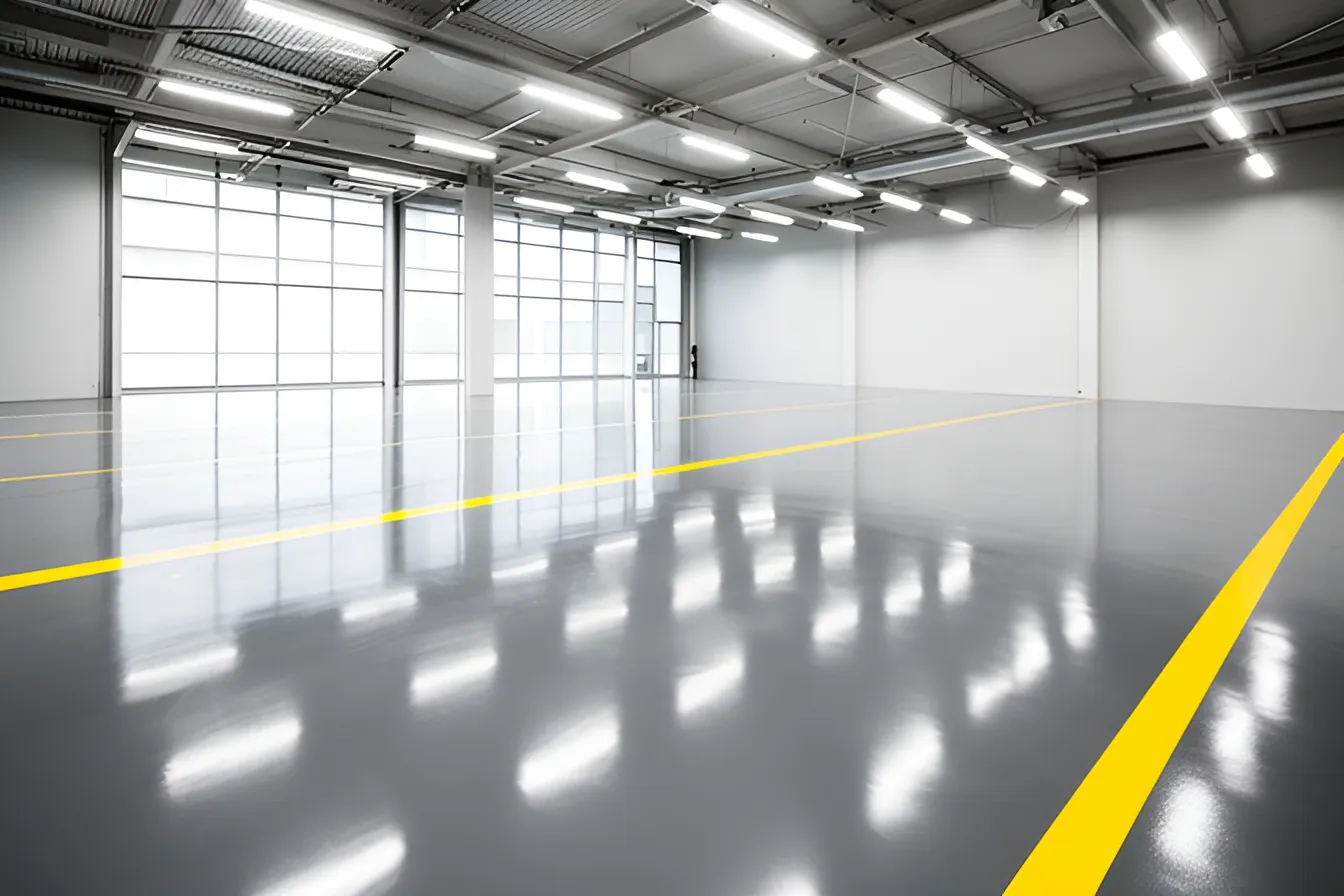
Commercial Floor Coatings
Seamless, chemical-resistant floors for warehouses, showrooms, shops, kitchens, and retail. Fast turnaround to minimize downtime.
Learn more